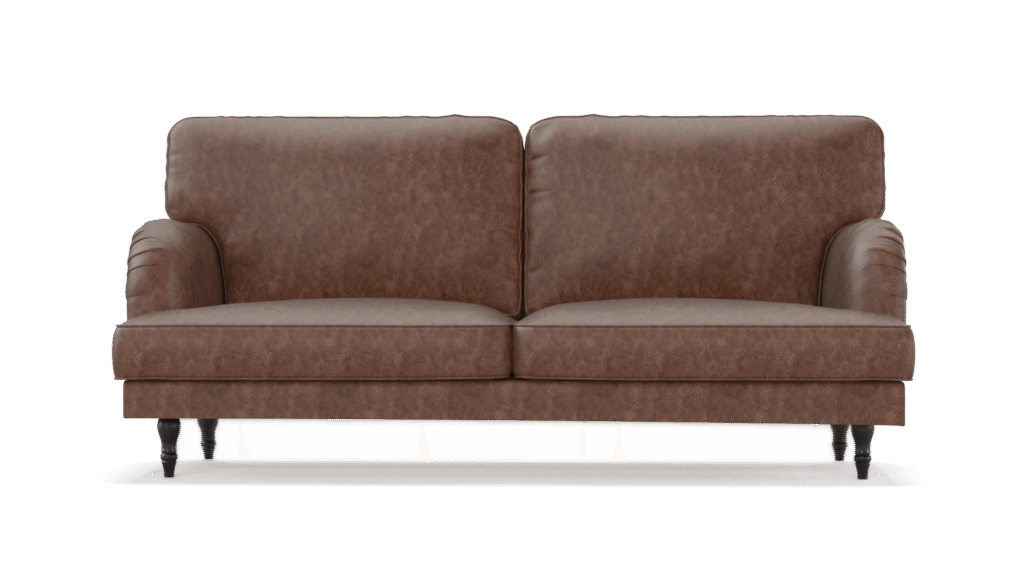
In the rapidly evolving world of interior design and real‑estate presentation, virtual staging with 3D renderings is becoming a major game‑changer. Instead of physically furnishing and decorating a space, designers and marketers now can digitally generate photorealistic interiors, helping viewers to envision potential and possibilities. Traditional staging meets digital design—combining the power of interior design trends, digital decor, and home visualization in one.
Why does it matter? Whether you’re an interior designer, real‑estate agent, or homeowner, this shift to digital means faster turnarounds, more flexibility, and the ability to present spaces that might not yet exist—or might be hard to access.
In this article, we will explore what exactly virtual staging with 3D renderings is, why it’s beneficial, how it’s applied in residential and commercial settings, what tools make it possible, which trends are shaping the future, and how it complements 3D interior rendering services. By the end, you’ll have a clear understanding of how the future of interior design is being re‑imagined through this technique.
What is Virtual Staging with 3D Renderings?
At its core, virtual staging with 3D renderings refers to the process of digitally furnishing and decorating a space—often one that is currently empty or under‑construction—using 3D models, textures, lighting simulation, and camera angles to produce realistic imagery. The process typically involves:
- Capturing photographs or floor‑plans of existing or bare spaces (property photos, schematics).
- Building or using existing 3D models (mesh models, furniture libraries, décor assets) and mapping them into the space.
- Applying textures, materials, lighting simulation and cameras to render photorealistic views (using rendering engines).
- Presenting the final images (or walkthroughs) to clients, buyers, or stakeholders across interior design, staging alternatives, or digital home staging.
For example, a real‑estate listing may upload photos of empty rooms and a staging company uses 3D rendering software to place virtual furniture, décor, and layout variants. This approach is described as faster, more flexible, and significantly more cost‑effective than moving physical furniture.
A few key things to note: the quality of the mesh models, the realism of materials and lighting, the accuracy of the room layout and camera angles all matter a lot in producing convincing visualizations. In some workflows, designers even offer “virtual furniture placement” and layout previews—giving clients multiple style options quickly.

Benefits of Virtual Staging with 3D Renderings
Virtual staging with 3D renderings offers a suite of benefits over traditional physical staging. Some of the major advantages include:
- Cost savings: Traditional staging means renting furniture, décor, moving costs, on‑site setup and teardown. Virtual staging eliminates much of that overhead.
- Faster turnaround: Once the space is captured and assets are ready, digital staging and rendering can produce results in days (or even hours), unlike scheduling, delivery, install of physical goods.
- Flexibility and customization: Designers can experiment with multiple styles, re‑theme a room (e.g., modern vs rustic), change layout, furniture, lighting without re‑moving items. Tailoring the design becomes easier.
- Scalability: For real‑estate developers or interior designers dealing with many units, virtual staging allows handling large volumes of units more efficiently.
- Better marketing & visualization: Photorealistic renderings help buyers or clients visualize the finished space, not just an empty room. This can lead to quicker decisions, higher engagement, and better conversion.
- Design iteration and revision friendly: Because everything is digital, changes are less costly and less time‑intensive; design revisions can be implemented faster.
- Sustainable and less waste: Fewer physical resources moved around, fewer staging pieces that may go unused or get warehoused.
In short: virtual staging with 3D renderings provides a modern, efficient alternative to the traditional staging model.
Comparison Table:
Traditional Staging vs. Virtual Staging with 3D Renderings
| Feature/Aspect | Traditional Staging | Virtual Staging with 3D Renderings |
|---|---|---|
| Cost | High (furniture rental, labor, transport) | Low (digital assets, no physical setup) |
| Speed | Days to weeks | Hours to days |
| Flexibility | Limited layout/style changes | Easily customizable and editable |
| Scalability | Labor-intensive for multiple properties | Easy replication across listings |
| Customization | Depends on available furniture | Infinite style, layout, and color options |
| Sustainability | Requires transport, materials | Digital-only; eco-friendly |
| Revisions | Time-consuming and costly | Quick and inexpensive |
| Buyer Visualization | Effective but limited to one design | Multiple design options instantly |
| Use Cases | Best for high-end showrooms | Suitable for all property types |
Applications in Residential and Commercial Projects
This technology finds application across both residential and commercial projects. Examples include:
Residential listings and home sales
Empty homes or under‑construction properties can be virtually staged to look furnished, helping potential buyers envision living spaces. According to sources, virtually staged homes can sell faster and fetch better pricing.
Rental properties and vacation homes
Landlords or agents can stage units digitally for marketing without repeatedly swapping out furniture.
Commercial interiors and office fit‑outs
Architects or interior decorators can present multiple layout options to clients for offices, co‑working spaces, or retail stores using digital staging—allowing rapid iteration on space planning.
Property development marketing
Developers can use virtual staging to showcase model units, amenity spaces, and unbuilt villas in their brochures or websites, even before construction completes.
Interior design presentations
Designers can use 3D rendering + virtual staging to show clients different décor themes, furniture layouts, and lighting setups, enhancing the decision‑making process.
These diverse use‑cases show that virtual staging is not confined to one niche—it’s bridging interior design, real‑estate marketing, architecture, and visualization.

Trends Shaping the Future of Virtual Staging
Looking ahead, several trends are accelerating the future of virtual staging with 3D renderings:
- AI‑powered design and staging: Systems now can automatically stage a room by analyzing dimensions, style preferences, lighting—making the process faster and more accessible.
- Virtual reality (VR) & 360° walkthroughs: Rather than static images, staged spaces can be explored interactively through VR or panorama tours—immersing buyers or clients in the environment.
- Augmented reality (AR) furniture placement and client engagement: Users can view virtual furniture in their real space via AR, blending the digital stage with the physical environment.
- Personalization and style‑targeted staging: Virtual staging can tailor visuals for specific buyer personas (luxury, minimalist, family‑friendly) at scale.
- Real‑time rendering and cloud workflows: With cloud computing and real‑time engines, revisions, style swaps, and updates can be delivered faster.
- Sustainability and remote workflows: As remote work and global real‑estate expand, virtual staging becomes a remote-friendly solution—less travel, fewer physical setups.
These trends point toward a future where virtual staging with 3D renderings is not just a tool but a standard integrated into the design and marketing pipeline.

How Virtual Staging Complements 3D Interior Rendering Services
The relationship between virtual staging and 3D interior rendering services is symbiotic. Here’s how they complement each other:
- A 3D interior rendering service builds the foundational model: the room geometry, lighting setup, material finishes, textures, and camera viewpoints. This is the “rendering” side.
- Virtual staging then uses that base setup to furnish, decorate, and present the space with virtual furniture, décor, and layout options. This is the “staging” side.
- By combining both, designers and marketers can deliver photorealistic visuals that both show what the space is (render) and what it could be (stage).
- Designers can use the rendered model to experiment with scene composition, lighting optimization, viewpoint selection, and then add staged elements to create multiple scenarios (e.g., different styles, furniture options).
- Collaboration becomes more efficient: clients review rendered‑and‑staged visuals, provide feedback, ask for revisions, and updates are quicker since the digital model is already built.
- Using virtual staging leverages the high‑quality renders to boost marketing outputs—for example, listing images, brochures, social posts—all generated from the same 3D interior rendering workflow.
In short, virtual staging doesn’t replace rendering—it builds on it, enhancing the value of 3D models by turning them into market‑ready visuals.
Conclusion
As the lines between interior design, real‑estate marketing, and digital visualization continue to blur, virtual staging with 3D renderings stands out as a powerful future‑facing solution. It offers cost‑efficiency, speed, flexibility, and visual impact—benefiting designers, agents, developers, and homeowners alike.
Whether you’re presenting a listing, designing a home, or planning a commercial space, embracing this digital staging workflow can give you a competitive edge. As AI, VR/AR, and real‑time rendering continue to evolve, the potential only grows stronger.
If you’re interested in how to implement virtual staging in your next project—selecting the right tools, building a workflow, or optimizing renders for marketing—let me know and I’d be happy to help deepen that insight.