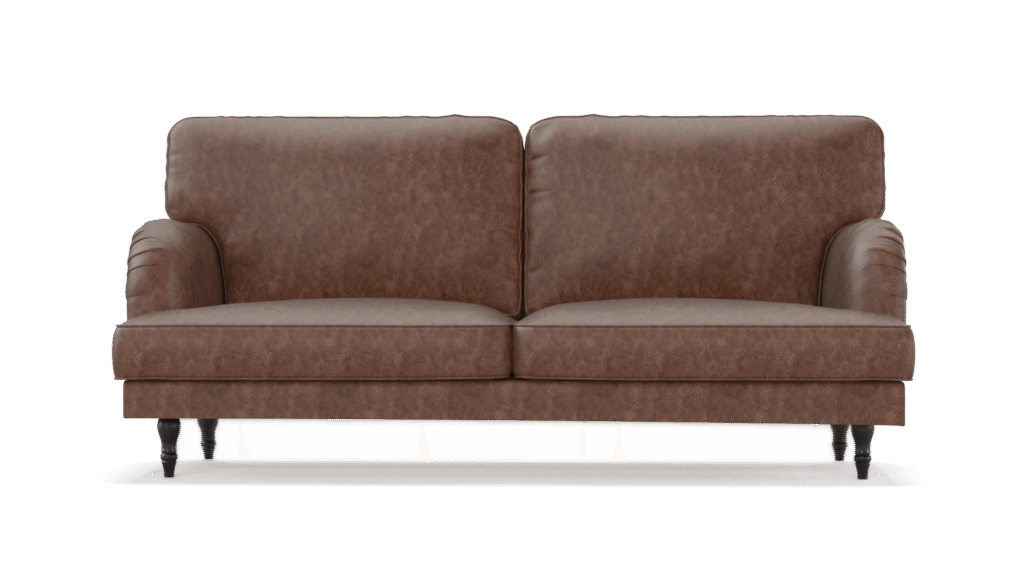
In 2026, nearly 30% of online furniture purchases still result in returns, largely because shoppers struggle to accurately visualize how pieces will look and fit in their homes. Photorealistic 3D furniture rendering is rapidly changing that reality, turning uncertainty into confidence and transforming the entire design-to-sale journey.
What was once a niche tool for high-end studios has evolved into an essential driver of furniture design, manufacturing efficiency, and e-commerce success. The future of 3D furniture design lies in intelligent, immersive, and sustainable 3D modeling and rendering technologies that empower designers, manufacturers, retailers, and consumers alike.
At CGTech Rendering, a Texas-based leader in high-quality 3D architectural visualization, we help clients worldwide harness these advancements through specialized 3D furniture rendering, interior and exterior visualization, floor plan rendering, and AR/VR rendering services. Our photorealistic outputs and interactive solutions keep brands competitive in a fast-evolving market.
The Current State of 3D Furniture Modeling and Rendering
Today’s standards in 3D furniture modeling and rendering have reached remarkable levels of realism. Professional studios deliver hyper-detailed models with accurate material simulation — from fabric weaves and wood grains to metallic reflections and soft upholstery — under precise lighting conditions. Fast turnaround times mean clients receive studio-quality lifestyle renders and custom room scenes within tight project deadlines.
The benefits are already substantial. High-quality 3D furniture rendering dramatically reduces the need for expensive physical prototypes, slashes traditional photography costs, accelerates design approval cycles, and builds stronger customer confidence. Instead of relying on flat 2D images, brands showcase furniture in realistic interior and exterior environments, helping buyers make informed decisions.
Professional visualization studios like CGTech Rendering play a pivotal role by producing consistent, high-resolution assets optimized for marketing, e-commerce platforms, and client presentations. Whether it’s a single hero product render or a complete lifestyle interior scene, these outputs bridge the gap between concept and reality with unmatched clarity.
Major Trends Shaping the Future of 3D Furniture Design (2026 and Beyond)
1. AI-Powered Automation and Generative Design
Artificial intelligence is revolutionizing furniture 3D modeling by generating complete 3D models from simple text prompts, sketches, or reference images. AI tools now handle automated texturing, intelligent material assignment, and rapid creation of design variations while preserving structural accuracy and ergonomic standards.
This technology speeds up the sketch-to-render pipeline significantly, allowing designers to explore dozens of concepts in minutes rather than days. For example, manufacturers can rapidly prototype entire custom furniture collections, testing different styles, dimensions, and finishes virtually before committing to production. Generative design also supports bionic structures that reduce material use while maintaining strength — a perfect blend of creativity and efficiency.
In the future of 3D furniture design, AI acts as a powerful collaborator, freeing human designers to focus on creativity, curation, and refinement rather than repetitive modeling tasks.
2. Real-Time Rendering and Cloud-Based Workflows
The shift from traditional offline rendering to real-time ray tracing gives instant visual feedback during the design process. Designers and clients can rotate, modify materials, and adjust lighting on the fly without waiting hours for a render to complete.
Cloud rendering further enhances accessibility by delivering high-quality outputs faster and more scalably, especially beneficial for global teams working across time zones or facing urgent deadlines. These workflows support seamless collaboration between furniture manufacturers in one country and visualization teams in another.
For busy studios and brands, real-time and cloud-based solutions mean quicker iterations, reduced hardware costs, and the ability to produce photorealistic 3D furniture rendering assets at scale without compromising quality.
3. Hyper-Personalization and 3D Configurators
Interactive 3D furniture configurators are becoming central to the customer experience. Shoppers can now customize colors, fabrics, dimensions, finishes, and even layouts in real time, seeing photorealistic updates instantly. Integration with dynamic pricing shows exact costs as choices are made.
This level of hyper-personalization supports mass customization trends while significantly lowering return rates — studies indicate AR and 3D visualization tools can reduce returns by 40-60% or more by aligning expectations with reality. In the future of 3D furniture design, configurators will evolve into sophisticated platforms that blend visualization with AI-driven recommendations for complementary pieces.
4. Immersive Experiences: AR, VR, and Beyond
Augmented Reality (AR 3D modeling) allows customers to place virtual furniture pieces directly into their real living spaces using smartphones or tablets. Virtual Reality (VR) takes this further by offering full immersive walkthroughs of designed interiors, letting users “walk around” rooms and experience scale, lighting, and flow before any purchase.
These technologies build buyer confidence and drive higher conversion rates — some reports show customers using AR features are up to 11 times more likely to buy. CGTech Rendering’s AR/VR rendering services help retailers and designers create these confidence-building experiences, whether through mobile AR try-before-you-buy tools or sophisticated VR showrooms.
As spatial computing advances, expect even deeper integration of AR 3D modeling and VR into furniture retail, making remote visualization as convincing as in-store experiences.
5. Sustainability and Smart Material Simulation
Sustainability is no longer optional. 3D furniture modeling now optimizes for eco-friendly materials, recycled components, and circular design principles. Advanced simulation accurately represents sustainable fabrics, low-VOC finishes, reclaimed woods, and biodegradable options under realistic lighting and usage conditions.
Rendering plays a powerful role in visually communicating green credentials to environmentally conscious consumers. Brands can showcase the environmental impact of choices — such as reduced carbon footprint or recyclability — through compelling visuals.
In the future of 3D furniture design, virtual prototyping will cut physical sample waste by up to 90%, supporting zero-waste workflows and helping manufacturers meet growing demand for sustainable furniture.
6. Semantic and Intelligent 3D Models
Future 3D models will carry rich embedded data, including functional properties, material specifications, manufacturing instructions, and performance metrics. These “smart” assets integrate seamlessly with e-commerce platforms, manufacturing systems, AI recommendation engines, and inventory management tools.
Semantic modeling enables better searchability, automated compliance checks, and smoother handoffs between design, production, and sales teams. This data intelligence turns static 3D furniture rendering assets into dynamic, multifunctional resources that power the entire value chain.
How These Trends Benefit Key Stakeholders
Challenges and Considerations for the Future
While promising, these advancements bring challenges. Maintaining photorealistic quality at scale with heavy AI reliance requires careful oversight. Data security, especially for cloud-based and shared intelligent models, must remain a priority. Standardization across platforms will be essential for seamless interoperability.
Balancing automation with human creativity is critical — AI excels at generation and optimization, but the emotional, cultural, and storytelling aspects of great design still demand skilled human input.
Partnering with an experienced visualization studio like CGTech Rendering helps mitigate these issues. Our team combines cutting-edge technology with artistic expertise to deliver consistent, high-quality results while ensuring your unique design vision shines through.
Real-World Impact and Examples
Leading furniture brands are already seeing strong results from advanced 3D furniture rendering and immersive technologies. Retailers using AR visualization report substantial lifts in conversion and sharp drops in returns. Manufacturers leveraging AI generative design bring new collections to market faster with lower development costs.
At CGTech Rendering, we have supported clients with photorealistic custom furniture visualizations, detailed lifestyle interior renders, and AR-ready 3D models. These assets have helped streamline approval workflows, boosted online sales, and enabled confident global marketing — all while showcasing intricate details like fabric textures, wood grains, and lighting effects that make designs truly come alive.
The future of 3D furniture design is intelligent, immersive, sustainable, and deeply customer-centric. Trends in AI automation, real-time and cloud rendering, hyper-personalization, AR/VR rendering, smart material simulation, and semantic modeling are collectively reshaping how furniture is conceived, presented, and sold.
Brands that embrace these advancements today will lead tomorrow’s market.
Ready to bring your furniture designs into the future? Contact CGTech Rendering for world-class 3D furniture rendering, photorealistic visualization, AR 3D modeling, and immersive AR/VR solutions. Delivered with Texas precision and expertise to clients worldwide, our services help you visualize, customize, and sell with unmatched confidence and impact.
Explore our 3D furniture rendering and architectural visualization services today and position your brand at the forefront of innovation.