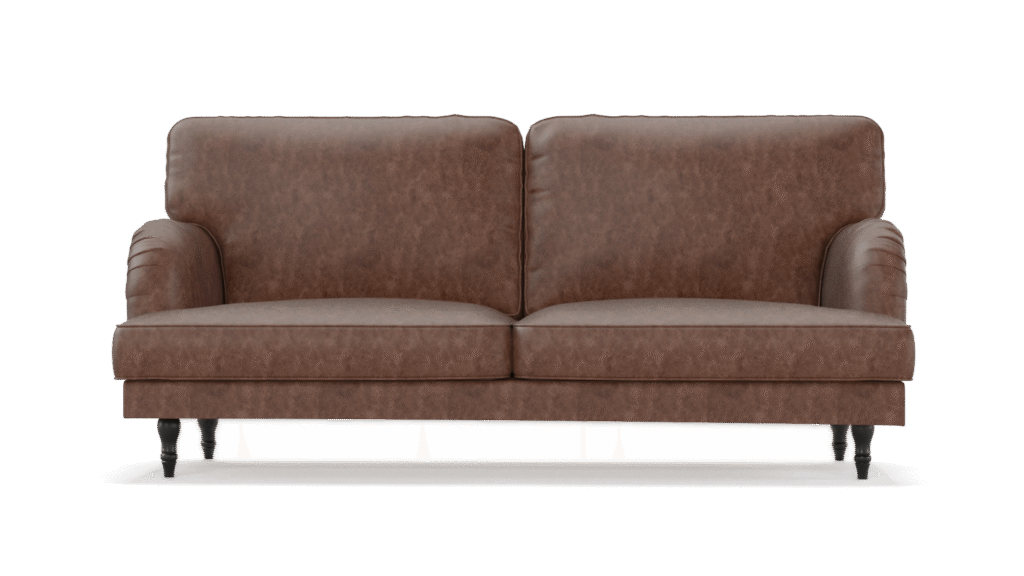
If you have ever asked three studios for a quote and received three wildly different numbers, you are not alone. The 3D rendering cost per image can range from under $100 to well over $1,000, and the price sheet rarely explains why. This guide breaks it down in plain numbers, using the same rates we publish in our own calculator, so you can budget with confidence before you send a single file.
We will cover typical prices for interiors, exteriors, floor plans and product shots, the seven factors that push a quote up or down, the extra charges that catch people out, and a worked example for a small residential project.
The short answer
At CGTech Rendering, a single interior still starts at $220, an exterior at $250, a 3D floor plan at $79 and a white-background product render at $25. Complex scenes cost more, and ordering several views from the same model brings the price per image down.
Typical 3D Rendering Cost per Image in 2026
Most studios price stills by the image, not by the hour. That is good news for you, because it means you know the full cost before work starts. Here is what we charge, taken straight from our 3D rendering cost calculator. Prices drop once you order more than five images of the same type.
| Image type | 1–5 images (each) | 6–10 images (each) | Typical turnaround |
|---|---|---|---|
| Small interior (bathroom, bedroom) | $220 | $200 | 2–3 days |
| Medium interior (living room, kitchen) | $360 | $300 | 3–5 days |
| Large interior (open-plan, lobby) | $550 | $450 | 5–7 days |
| Simple exterior or facade | $250 | $200 | 2–3 days |
| Medium exterior with landscaping | $450 | $350 | 4–6 days |
| Complex exterior or large site | $1,000 | $800 | 7–10 days |
| 3D floor plan | From $79 (simple) or $149 (complex) | 3–7 business days | |
| White-background product render | $25 | $20 | 3–5 days |
| Lifestyle product render | $75 | $50 | 3–7 days |
These are starting prices for a clean brief with usable files. They are not teaser rates. Most of our residential projects land inside these ranges.
Why Quotes Vary So Much Between Studios
Two studios can look at the same drawings and quote $300 and $1,200. Usually neither is cheating you. They are pricing different things.
- Who does the work. A solo freelancer has low overheads but limited capacity. A large agency has project managers, art directors and a sales team built into every invoice. A focused studio sits in between.
- What is included. Some quotes include modeling, two revision rounds and high-resolution output. Others quote the render alone and bill for everything else later.
- How much risk they price in. If your brief is vague, a careful studio adds a buffer for the unknowns. A clear brief gets a tighter quote.
- Where they are based. Labor costs differ around the world, and so do communication styles and time zones.
The fair way to compare is line by line: same number of views, same resolution, same revisions, same delivery date. Once you do that, the gap usually shrinks.
7 Factors That Change Your 3D Rendering Cost per Image
1. The type of space or product
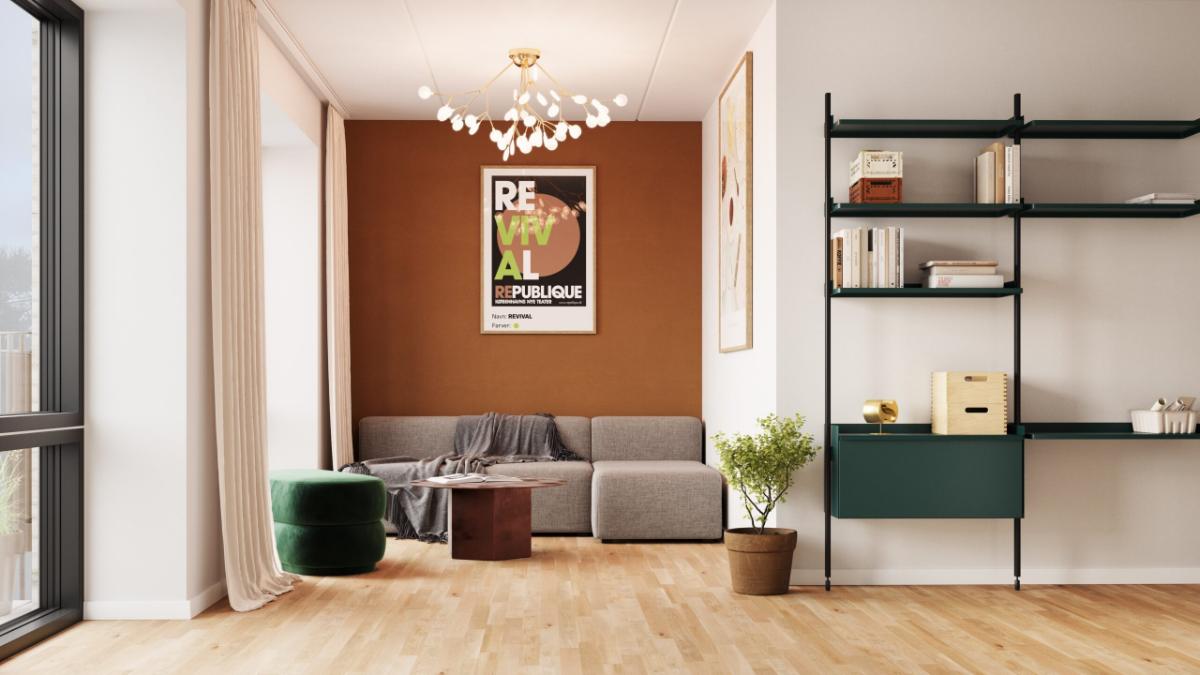
A white-background chair takes a fraction of the time of a furnished hotel lobby. Interiors need furniture, decor, lighting and styling. Exteriors need landscaping, sky, context and sometimes people and cars. Product renders sit at the lower end because the scene is simpler.
2. Scene complexity and detail
Detail is the biggest single driver. A modern box house with flat render and glass is quick. A Victorian facade with cornices, brick patterns and mature trees is not. Inside, custom joinery, patterned tiles and lots of styling all add hours.
3. The state of your files
If you send a clean SketchUp or Revit model, we can go straight to materials and lighting. If we only have a PDF floor plan, we have to build the model first. Hand sketches with missing dimensions take longer again, because we need to ask questions before we can start.
4. Number of views from the same scene
The first image of any scene carries most of the cost, because that is where the modeling happens. Extra camera angles of the same room or building reuse that work, which is why our price per image drops after five views. If you need four views of one living room, ask for them together rather than one at a time.
5. Resolution and output size
A 2K image for a website renders much faster than an 8K file for a site hoarding. Tell your studio where the image will be used. There is no point paying for billboard resolution on a listing photo.
6. Revisions and design changes
Changing a cushion color is a revision. Moving a wall is a design change. Most studios include revisions within the agreed scope and charge for design changes, because those mean remodeling. Agree on the definition up front.
7. Deadline
Rush jobs often mean artists working evenings or pushing other projects back. Expect to pay more for a 24- or 48-hour turnaround. Planning two weeks ahead is the easiest saving you will ever make.
Hidden Costs to Ask About Before You Sign
A low price per image is only good if it stays low. These are the extras that most often appear on a final invoice:
- Modeling fees charged separately from the render.
- Extra revision rounds beyond one or two.
- Source files such as the 3ds Max scene or textures.
- Commercial usage rights for advertising or resale.
- Additional formats, for example a square crop for social media.
- Night or seasonal versions of an approved view.
None of these are unreasonable on their own. The problem is finding out about them after the work is done. Ask for a written quote that lists exactly what is included.
Tip: Ask every studio the same question: “What would make this quote go up?” A good studio will answer straight away and in specifics.
How to Lower Your Cost per Image Without Hurting Quality
You do not need to accept a weaker image to spend less. Most savings come from preparation.
- Send a clean 3D model if you have one. Even a rough SketchUp massing model saves modeling time.
- Finish your material choices first. Changing finishes after the first preview is the most common cause of extra rounds.
- Batch your views. Order all angles of one space together to get the volume price.
- Share reference images. Three photos of the look you want can replace a page of written description.
- Give one person final say. Feedback from five people that contradicts itself doubles the revision time.
- Choose the right resolution. Web images do not need 8K.
A Worked Example: Budgeting a Small Residential Project
Say you are a builder marketing a new three-bedroom home. You want enough images for a listing and a brochure. Here is how the numbers add up at our published rates:
- 3 medium exterior views (front, rear garden, street) at $450 each: $1,350
- 4 medium interiors (living room, kitchen, main bedroom, bathroom) at $360 each: $1,440
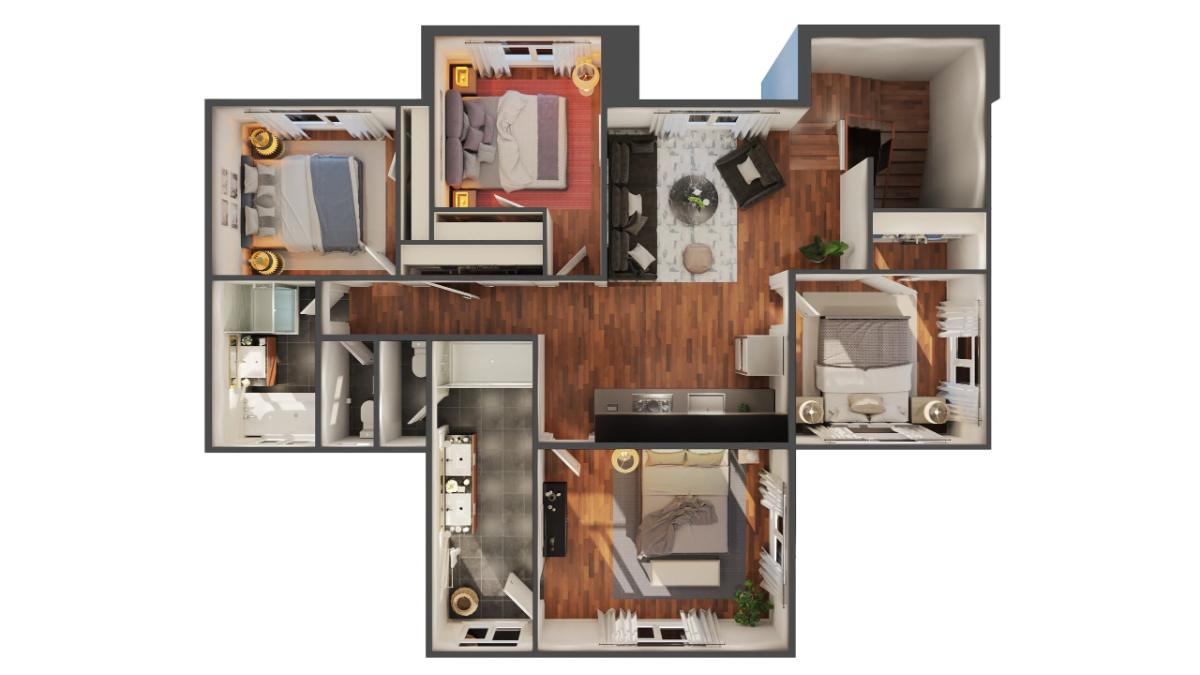
- 2 complex 3D floor plans (ground and first floor) from $149 each: $298
That gives a starting budget of about $3,088 for nine images. If the bathroom counts as a small interior, it drops to $220 and saves $140. If you supply a clean Revit model, modeling time falls and the turnaround gets shorter.
Compare that with the cost of an empty listing that sits on the market for an extra month, and the 3D rendering cost per image starts to look modest. If you are deciding between a floor plan and a walkthrough for the same budget, our guide on 3D floor plans vs. 3D walkthroughs walks through the trade-offs.
Freelancer, Offshore Studio or Local Agency?
There is no single right answer, but each option has a typical profile.
Freelancers can be excellent and affordable for one-off images. The risk is availability: if they are sick or busy, your deadline moves. Check their portfolio for work like yours, not just their best piece.
Offshore studios often offer the lowest prices. Quality ranges from outstanding to poor, so look for clear communication, a written process and independent reviews.
Local agencies cost the most but are easy to meet and often handle large campaigns end to end.
We sit between these options: a US-registered studio with fixed pricing, an in-house team and reviews on Trustpilot. Whatever you choose, judge the studio on the factors above, not on the headline price alone.
What You Get for the Money
It helps to know what actually happens behind a quote. For a typical interior still, the work includes:
- Building or cleaning up the 3D model to your dimensions.
- Sourcing or modeling furniture and decor.
- Creating materials that match your finish schedule.
- Setting up natural and artificial lighting.
- Choosing camera angles with you.
- Rendering previews, applying feedback and producing the final image.
- Retouching and color correction in post-production.
That is several days of skilled work, which is why a $30 interior render from a marketplace rarely looks like a photograph. If you want to understand the technical side, Wikipedia has a good overview of how computer rendering works.
Animation, 360° Views and Other Formats
Still images are priced per image, but other formats are priced differently, so it helps to know how before you ask for a quote.
Walkthrough animations are quoted by length and complexity rather than per frame. A 30-second interior walkthrough uses the same model as your stills, but every second of video means 25 to 30 frames to render and check. If you already plan to order stills, ask for the animation in the same project. Reusing the scene saves a lot compared with ordering it months later.
360° panoramas cost more than a single still of the same room, because every direction has to be finished. You cannot hide an unstyled corner behind the camera. Many clients pick one or two hero rooms for 360° and use stills for the rest.
AR-ready models for product pages start at $85 each in our calculator and fall to $35 each for larger orders. If you already have a model for rendering, converting it to a lightweight GLB file is often cheaper than starting from scratch.
Questions to Ask Before You Accept a Quote
Before you approve any proposal, from us or anyone else, get clear answers to these questions. They take five minutes and prevent most budget surprises.
- Is modeling included, or charged separately? This is the most common reason a cheap quote turns into an expensive invoice.
- How many revision rounds are included, and what counts as a revision? Get the definition in writing.
- What resolution will I receive? Make sure it suits print if you need print.
- When will I see the first preview? Early previews catch problems while they are still cheap to fix.
- What happens if my design changes mid-project? A good studio will tell you how changes are priced before they happen.
- Can I use the images anywhere? Check usage rights for ads, brochures and listings.
- What do you need from me to keep the price as quoted? This shows you exactly which files and decisions matter.
- Who is my point of contact? One named person makes feedback faster and clearer.
How Pricing Works for Furniture and Product Brands
Product rendering is usually split into two parts: building the model once, then rendering it as many times as you need. That is why the 3D rendering cost per image for products is far lower than for rooms or buildings.
Here is a realistic example for a brand launching ten new chairs, each needing three white-background images for its product page:
- 10 medium-complexity chair models: 5 at $65 and 5 at $55, so $600
- 30 white-background renders: 5 at $25, 5 at $20 and 20 at $15, so $525
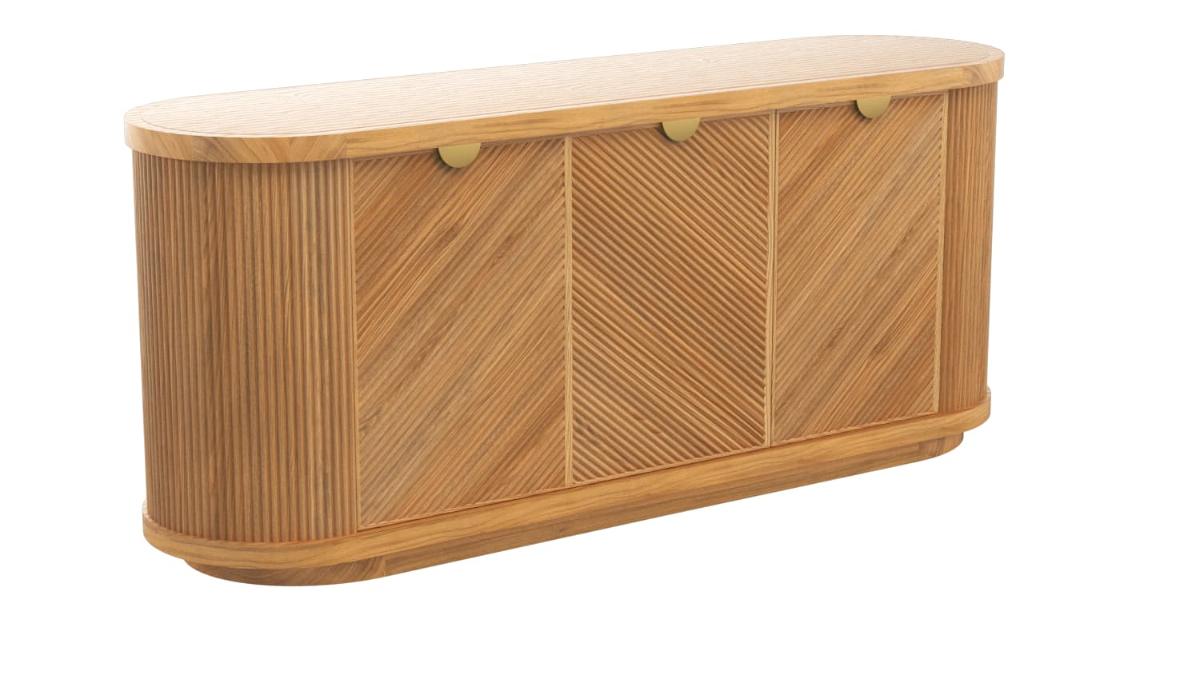
That works out to about $112 per product for a model plus three finished images. The model stays yours, so next season’s new colorway or lifestyle scene costs only the render, not another photo shoot. We cover this in more detail on our 3D furniture rendering page, and our article on the future of 3D furniture design explains why so many brands are making the switch.
Frequently Asked Questions
What is the average 3D rendering cost per image?
For a residential interior or exterior still, most clients pay between $220 and $550 per image with us. Large, highly detailed exteriors can reach $1,000. Product renders on a white background start at $25.
Why is the first image more expensive than the rest?
The first image carries the modeling and scene setup. Every extra angle of the same scene reuses that work, so it costs less to produce.
Are revisions included in the price?
Yes. We include revisions within the agreed scope until you approve the image. Design changes, such as moving walls or swapping the whole kitchen layout, are quoted separately before we do them.
Is 3D rendering cheaper than a photo shoot?
For furniture and products, often yes, especially once you need several colors or room settings. For buildings that are not built yet, rendering is the only option.
Get an Exact Price for Your Project
The table above gives you a solid starting point, but every project is a little different. Try the cost calculator for a quick estimate, then send us your drawings for a fixed quote. Whether you need interior renders, exterior renders or 3D floor plans, you will get a clear price and a delivery date within one business day.